
When families begin caring for a loved one on hospice, skin changes can happen quickly and unexpectedly. Searching hospice skin care pressure ulcers usually means you’re starting to notice redness, fragile skin, or areas that don’t look quite right. These changes are common, especially when someone is spending more time in bed or in a chair, but with the right approach, many issues can be prevented or kept from getting worse.
At this stage, skin is more vulnerable because the body is slowing down. Circulation decreases, nutrition changes, and movement becomes limited. These factors make the skin thinner, drier, and less able to heal. What might have been a minor issue before can now develop into a pressure injury more quickly if not addressed.
Why Skin Breakdown Happens on Hospice
Skin breakdown in hospice is usually caused by constant pressure on the same area of the body. When someone stays in one position too long, blood flow to that area is reduced. Without adequate blood flow, the skin and underlying tissue begin to weaken.
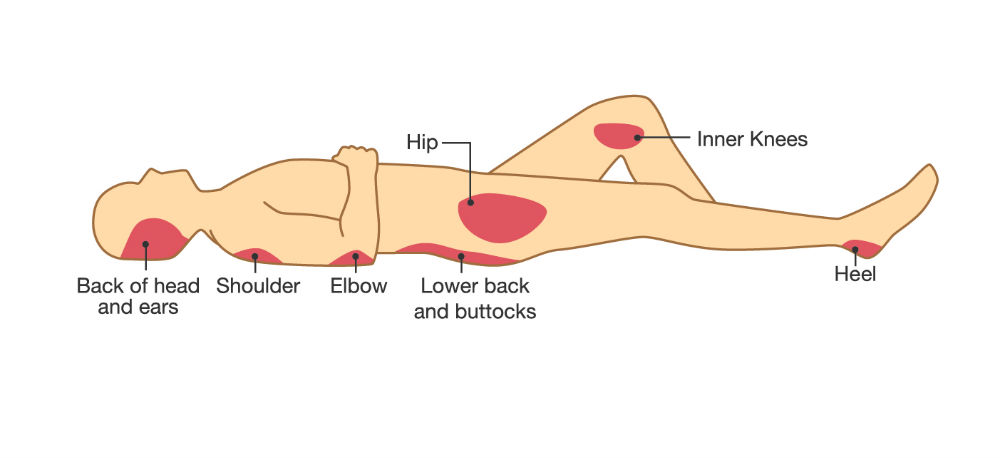
The most common areas affected include the tailbone, hips, heels, elbows, and back of the head. Moisture from sweating or incontinence can make this worse by softening the skin and increasing the risk of breakdown.
This is not a sign of neglect. It is a result of reduced mobility, decreased circulation, and overall decline, all of which are expected in hospice care.
The Importance of Turning and Repositioning
One of the most effective ways to prevent pressure ulcers is frequent repositioning.
Patients should generally be turned:
-
Every 2 hours in bed
-
Every 1 hour if sitting in a chair
The goal is to relieve pressure before damage begins.
When repositioning, use pillows to:
-
Keep weight off the tailbone
-
Support the back and hips
-
Float the heels off the bed
Even small adjustments make a difference. Turning does not need to be aggressive—it should be gentle, consistent, and comfortable.
Early Signs of Skin Breakdown (Stage 1)
Stage 1 pressure injuries are the earliest and most important to catch.
You may notice:
-
Redness that does not fade when pressed
-
Warmth or firmness in one area
-
Skin that looks slightly darker or discolored
At this stage, the skin is still intact, and damage can often be reversed with proper care.
The most important steps are:
-
Relieving pressure immediately
-
Keeping the area clean and dry
-
Using a protective barrier
Barrier creams such as zinc oxide-based creams are commonly used to protect the skin from moisture and irritation. These create a protective layer and help prevent further breakdown.
Managing Stage 2 Pressure Ulcers
Stage 2 pressure ulcers involve partial skin loss, often appearing as:
-
A shallow open sore
-
A blister or broken skin
-
A pink or red wound bed
At this stage, care becomes more focused but still manageable at home with hospice guidance.
Treatment typically includes:
-
Gentle cleansing with mild soap and water or saline
-
Keeping the wound moist but not overly wet
-
Covering with appropriate dressings
-
Continuing strict pressure relief
Hospice may provide specific dressings and guide you on how often to change them. The goal is to protect the wound, prevent infection, and support healing where possible.
Moisture is one of the biggest contributors to skin breakdown.
This includes:
-
Urine or stool from incontinence
-
Sweat
-
Excess moisture trapped under the body
Keeping skin clean and dry is essential. After any incontinence episode, gently clean the area and apply a barrier cream to protect the skin. Products like zinc oxide creams or moisture barriers are standard in hospice care because they reduce irritation and protect fragile skin.
Why Nutrition and Hydration Still Matter (But Differently)
While eating and drinking decrease in hospice, hydration and nutrition still play a role in skin health. However, this must be balanced with comfort.
As discussed in Eating Changes Hospice End of Life: What Families Should Expect and How to Respond, the goal is not to force intake but to support comfort. Even small amounts of fluids and nutrition can help maintain skin integrity when tolerated.
When to Ask for Help
Some skin changes require additional support from your hospice team.
You should notify hospice if you notice:
-
Open areas or worsening wounds
-
Signs of infection (odor, drainage, increased redness)
-
Increased pain when touching the skin
-
Rapid changes in skin condition
Hospice nurses are trained to assess and adjust care quickly to prevent complications.
How Skin Care Connects to Overall Decline
Skin breakdown is not an isolated issue. It often happens alongside other changes such as decreased mobility, eating changes, and circulation decline.
With continued decline, these changes often occur together as the body slows down. Understanding this helps families respond with calm rather than urgency.
Support From a Local Hospice Team
For families in Frisco, Plano, Allen, McKinney, and North Dallas, having guidance during skin changes makes a significant difference.
Home of St. Theresa provides in-home hospice care in North Dallas, helping families prevent and manage pressure ulcers with clear instruction and hands-on support.
A Reassuring Perspective: If you’re dealing with skin changes right now, it’s important to hear this clearly:
These issues are common, and they are manageable.
You are not expected to prevent every change, but you can reduce discomfort and protect your loved one’s skin with simple, consistent care.
If you ever feel unsure, you don’t have to figure it out alone. Home of St. Theresa is here to guide you step by step.
